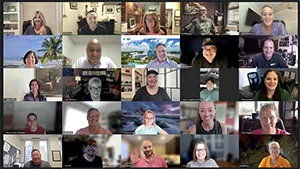
For four days this week, my computer screen was filled with the faces of 24 photographers who had signed up for one of the more difficult challenges in professional photography.
I was teaching the Professional Photographers of America's Jurors Workshop. Everyone in the class is already a Master Photographer, but they were there to begin another journey - the process of becoming a PPA Approved Juror.
I've been a juror for around 15 years now, and I absolutely love the process. But watching this group struggle with some of the same things I struggled with years ago reminded me just how difficult that journey can be.
Creating vs. Judging
One of the interesting things about judging photography is that being a great photographer doesn't necessarily make you a great judge. They're two very different skill sets.
Everyone in the workshop already knows how to create good photographs. The challenge is learning how to evaluate someone else's work, and more importantly, explain why an image works or doesn't work.
It's pretty easy to look at a photograph and say, "I like that." It's much harder to explain exactly why you like it. Is it the composition? The lighting? The expression? What is working, what isn't, and what could the photographer have done differently to make the image stronger? That's where judging gets difficult.
Four full days of doing that is surprisingly exhausting. The best comparison I can make is taking the SAT all day, four days in a row. You're constantly looking, analyzing, making decisions, and then trying to put those decisions into words. By the end of each day, everyone is completely wiped out - including the instructor. It's amazing how tired you can get just sitting in a chair all day.
A Very Old Idea
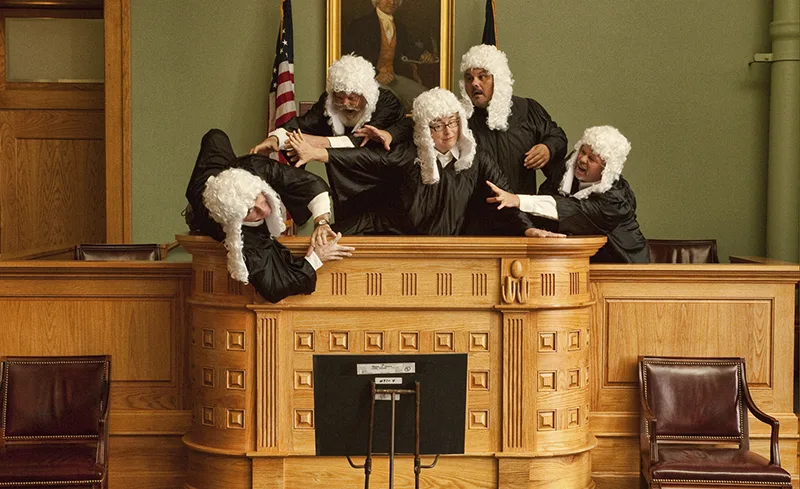
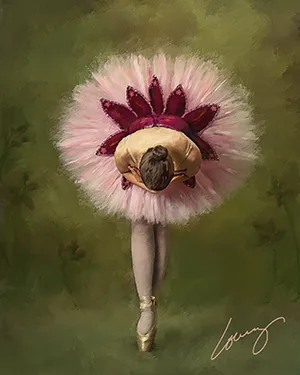
In some ways, the process reminds me of the old Paris Salon, where established artists evaluated the work of other artists to determine what met the standards for exhibition and recognition. Photography has its own version of that tradition.
PPA Approved Jurors evaluate images submitted by photographers working toward their Master Photographer degree. But the goal isn't simply to decide which photographs meet the standard. Ultimately, the job of a juror is to help other photographers improve. That's a big responsibility.
The workshop is only the first step. It gives photographers the basic tools they need to begin the process. From there, they go through a series of tests and evaluations that can eventually lead to becoming an Approved Juror. Usually, that journey takes two or three years, and many people who begin it never make it all the way through.
I remember very clearly what it was like being on their side of the screen, trying to learn how to put into words things that, as a photographer, I had mostly learned to recognize instinctively.
Coming Back to Help
One of my favorite parts of the workshop happens every year when we invite established jurors to join the class as guest judges. It gives the students an opportunity to practice alongside experienced jurors and receive feedback from people who have already been through exactly what they're experiencing.
What always amazes me is how quickly people volunteer to come back and help. They're giving up their time for no real benefit to themselves other than helping the next group of photographers learn the craft.
That's really what judging has always been about, going all the way back to that old Paris Salon. It was never just about deciding whether a piece of art met the standard - it was about helping the artist behind it get better. A couple hundred years later, that hasn't changed. We just do it over Zoom now instead of in a Paris gallery.
After 15 years, I still love sitting on a judging panel. I've had the opportunity to watch photographers progress from creating work that wasn't particularly strong to eventually earning their Master Photographer degree. Seeing that growth is one of the most rewarding parts of being a juror.
Most of the guest jurors who come back each year didn't do it because they wanted another title. They did it because they genuinely wanted to help other photographers get better. And this year, after four long days on Zoom, every one of the guest judges turned around and wrote to thank me for letting them participate.
That always catches me a little off guard. But it's a pretty good reminder of why so many of us keep coming back.